1341 Dandenong Road, Chadstone VIC 3148, Australia Tue to Sun, 5:30pm until late
+61 3 8564 2917 davelona@hotmail.com
The Davelona Journal

Notes From the Kitchen at Chadstone

Short pieces on produce, technique and the way we run service at Davelona. We write when there is something worth explaining, not on a schedule. Most posts come out of a question a guest asked at the table that deserved a longer answer than we could give mid-service.

What We Write About

Four topics, one small kitchen

Produce

Where the vegetables come from and why the menu follows them rather than the other way around.

Technique

Why certain things take as long as they do, from curing fish to resting dough between rolls.

Service

How the dining room runs, why the kitchen is open to the room, and why we do not turn tables.

Teaching

What students actually take away from the pasta masterclass, and what is easier than they expected.

All Posts

Everything published so far

Two pieces are live at the moment. We add to this page when something is worth writing down properly.

Two posts, both written by the kitchen
Kitchen What Melbourne Markets Taught Us About Menu Planning

What Melbourne Markets Taught Us About Menu Planning

We stopped printing a fixed menu around 2017, mostly by accident. A week of wild weather wiped out the tomato supply we had planned around, the chef walked into the room and told everyone the menu would be different that night, and nobody complained. Here is what that moment turned into.
Technique Why Fresh Pasta Needs Patience More Than Skill

Why Fresh Pasta Needs Patience More Than Skill

Most people who sign up for the pasta masterclass arrive expecting the hard part to be rolling or cutting. In practice the hardest part is the two minutes of doing nothing. Dough needs to rest after kneading, and it needs to rest again after rolling, and if you skip either rest you will feel it the moment you try to cut a clean edge.

Featured

The two ideas behind everything we cook


Both posts on this page get back to the same two ideas. One is that the market decides the menu, not a spreadsheet written three weeks in advance. The other is that cooking well is about pace and patience more than technique.

If you read both and want to taste the result, a table at the dining room is the easiest way in. The chef's table is the deep end.

Market first

Roughly 82 percent of everything we cook was picked or caught within 48 hours of reaching your plate.

Time over technique

Nine hours of curing on the snapper. Eight on the ragu. Dough rests twice. Patience does most of the work.

One pass kitchen

Everything is finished twelve steps from the table, in view of any seat in the room.

Small by design

Eighteen seats, one booking at a time. Eighteen is the number that lets one cook plate every dish.

Behind the Scenes

A look at the room the writing comes from


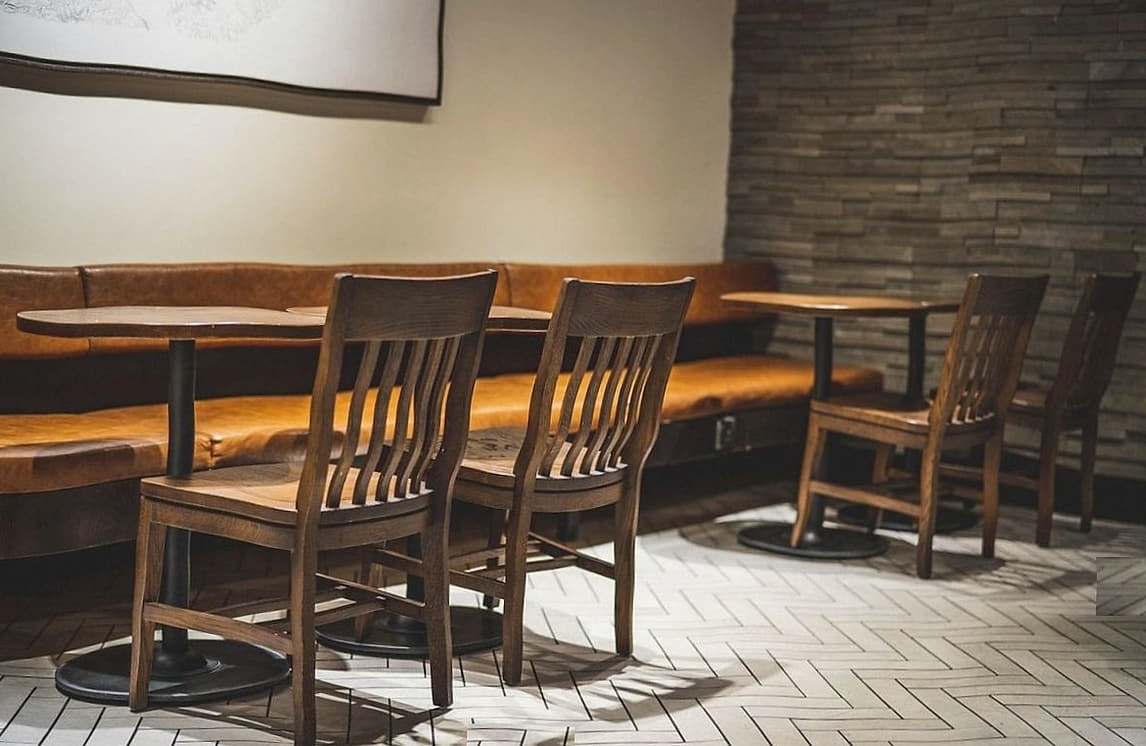
Every post on this page gets written at the same long timber table the guests sit at, after service on a Sunday. That is probably why most of them come back to the same handful of dishes and the same handful of producers.

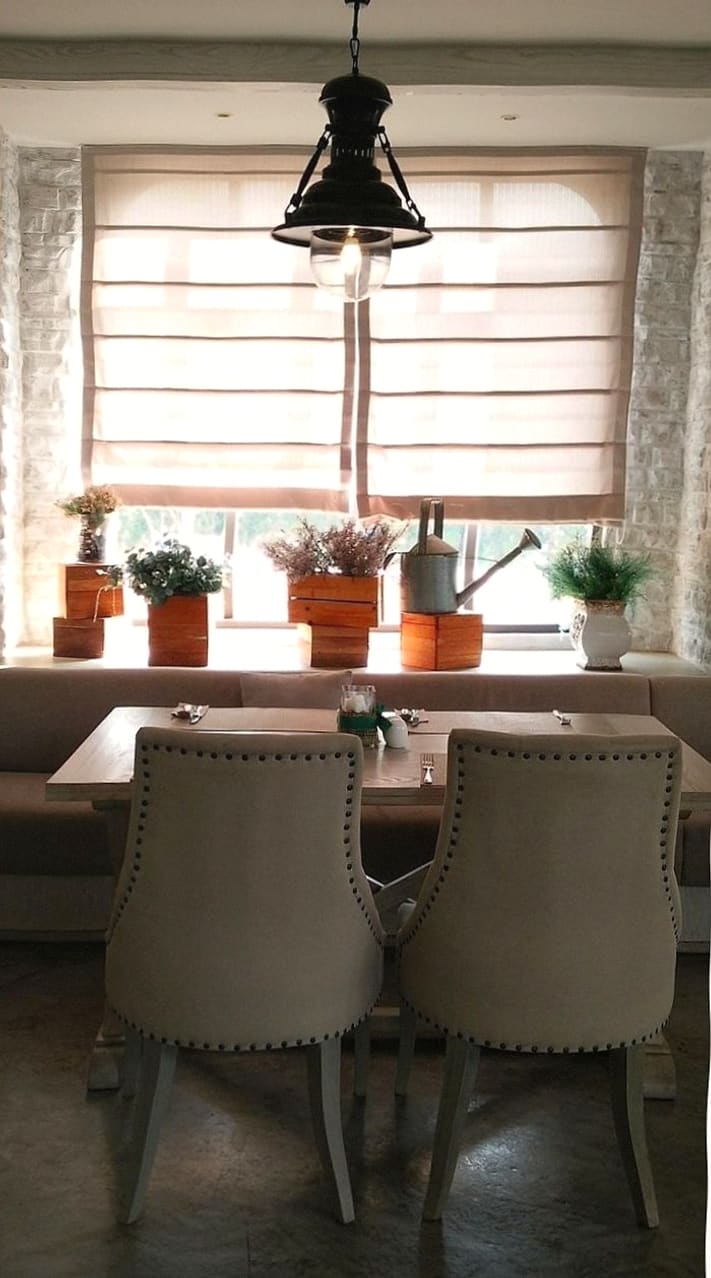
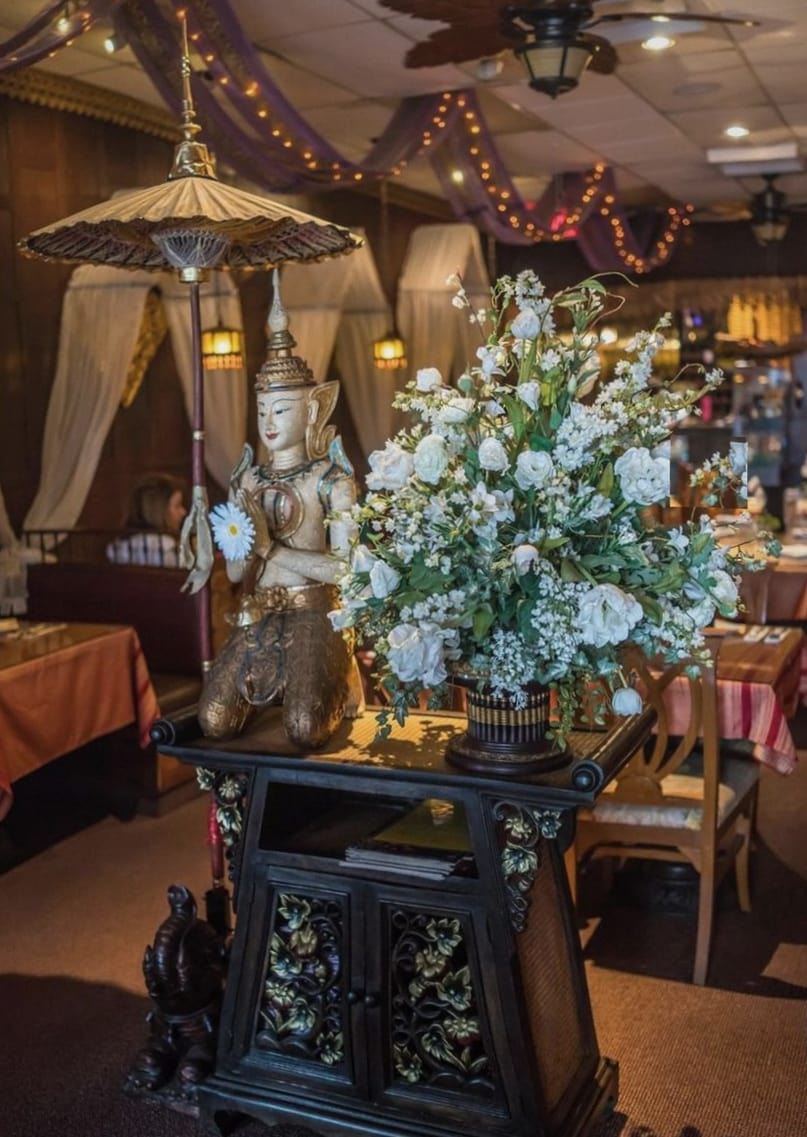
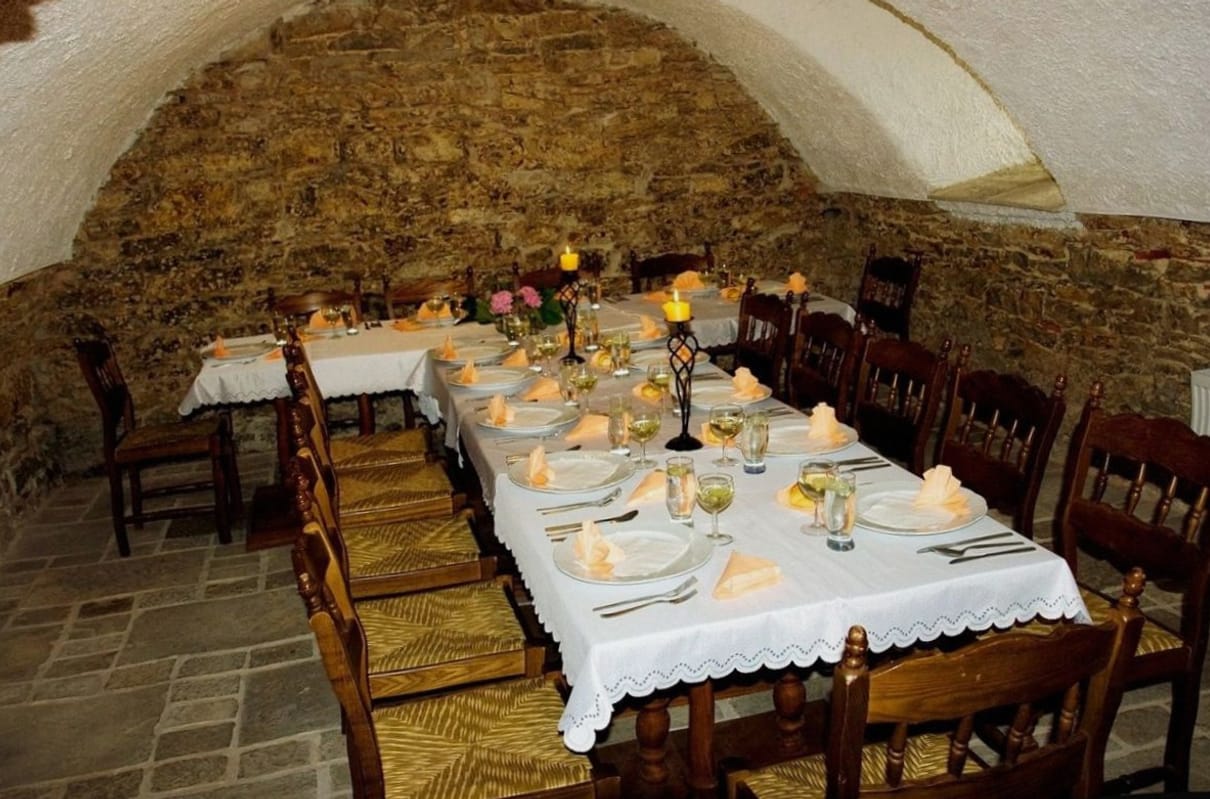
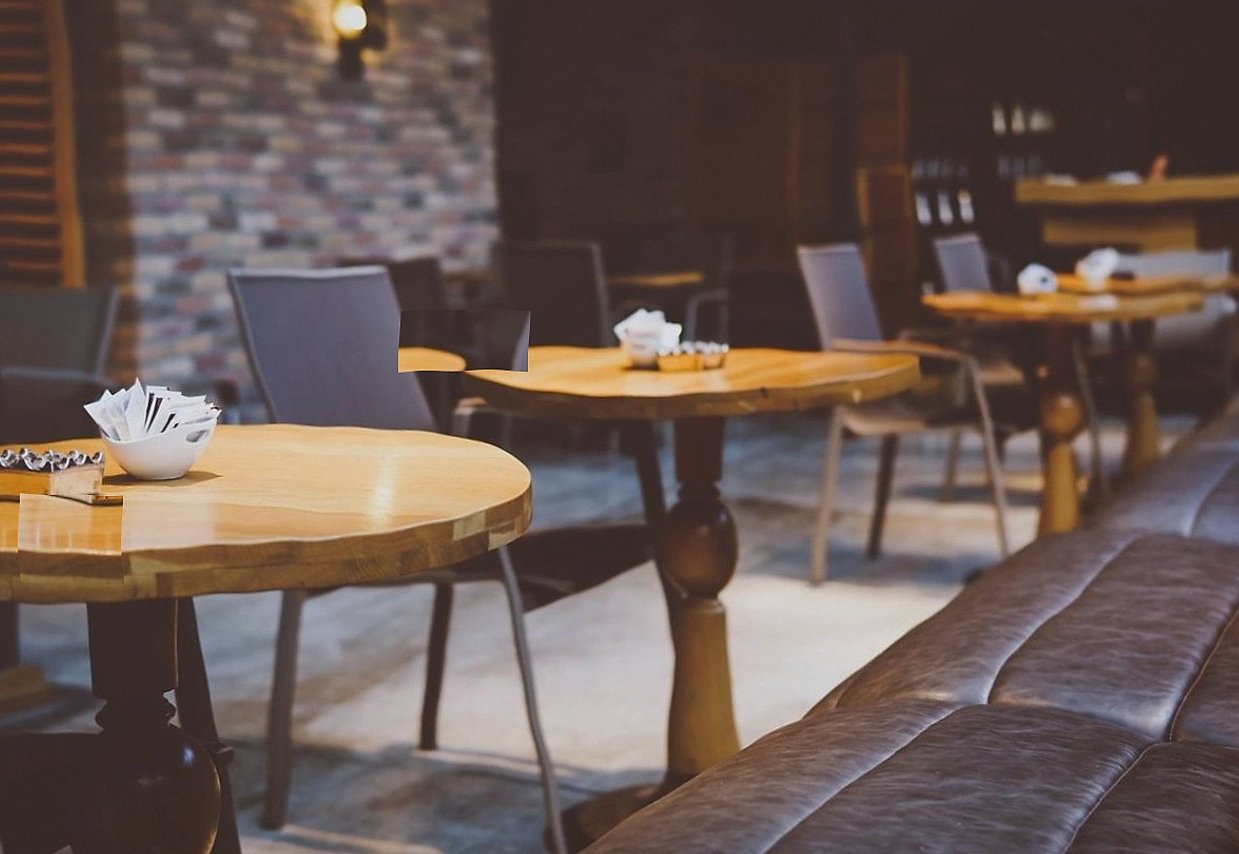
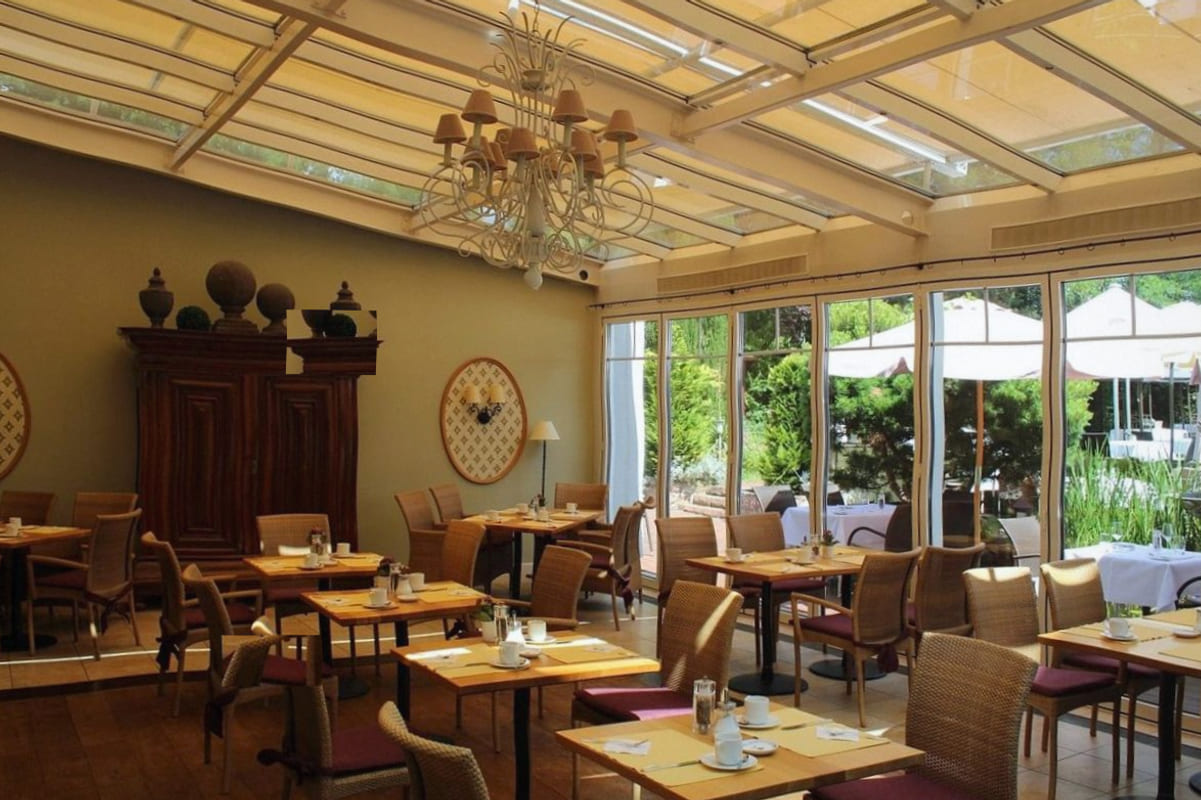
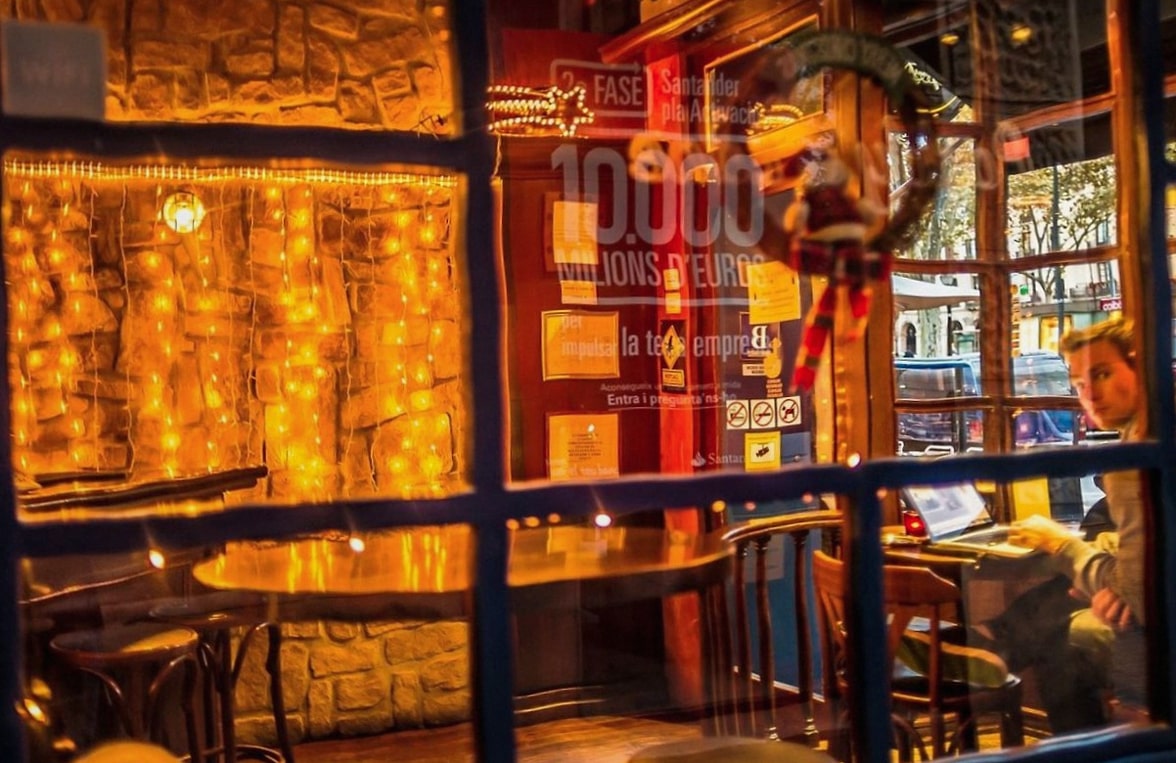
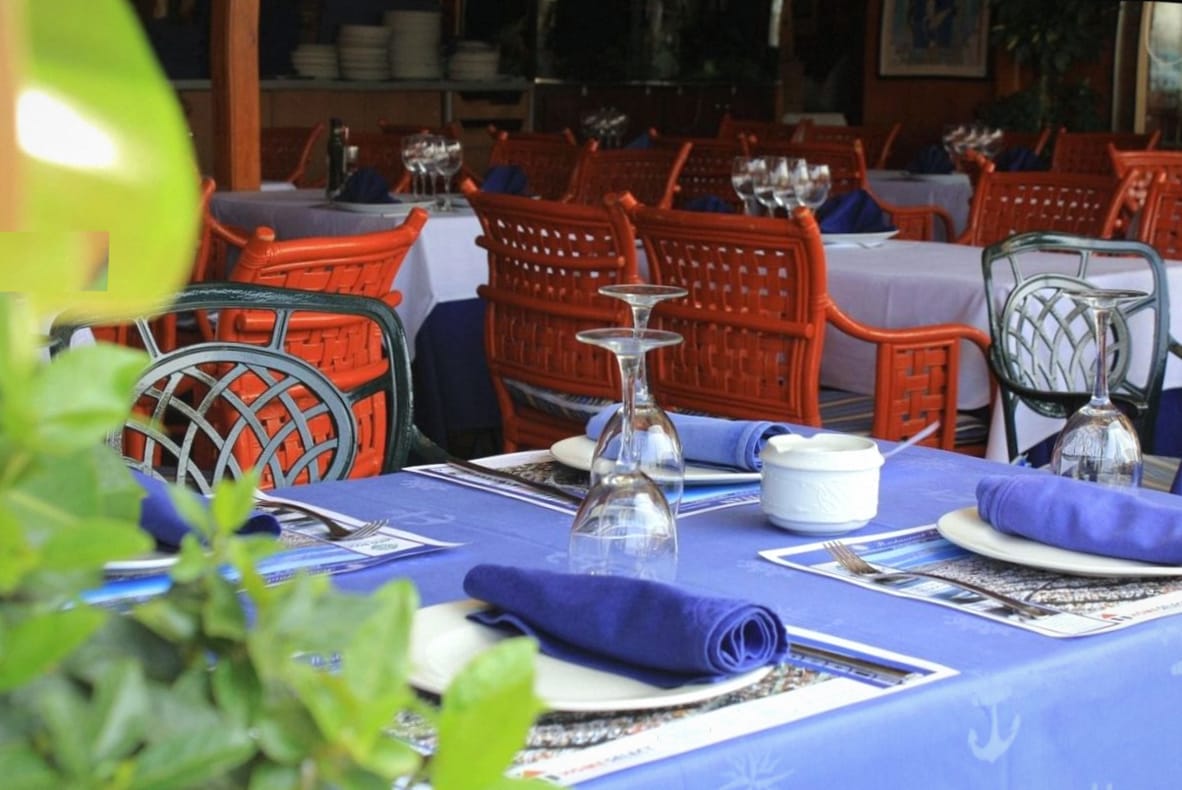
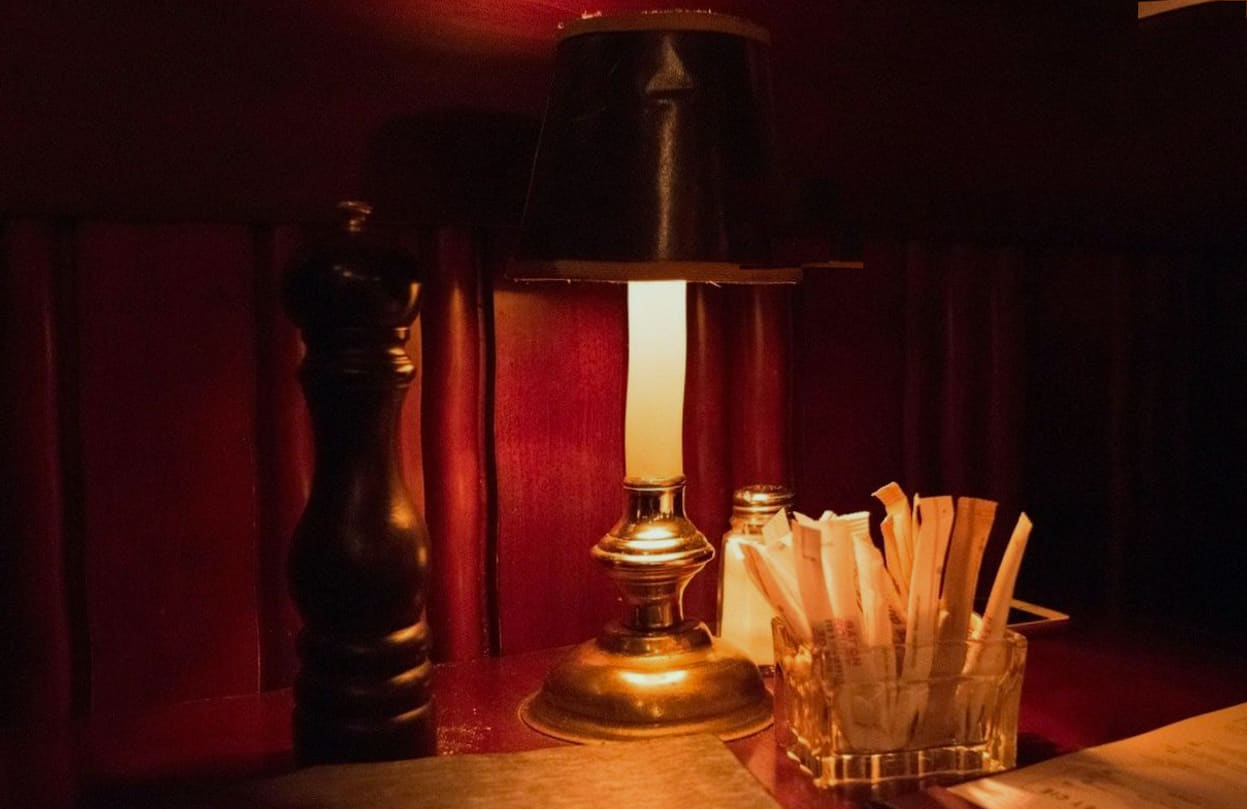
Four views from recent weeks. The room, the pass, the cellar and the courtyard, which stays open well past the last course.

Get Involved

Two ways to see this stuff in person


The journal explains what we do. The two bookings below let you sit inside it. One is an evening at the chef's table, the other is four hours with your hands in the flour.

See Full Prices
Chef's Table Private Chef's Table Experience at Davelona

Private Chef's Table Experience

Seven courses over roughly three and a half hours for six to fourteen guests.

Masterclass Hands-On Pasta Masterclass at Davelona

Hands-On Pasta Masterclass

Four hours at the bench with a maximum of eight students learning two dough bases.

Newsletter

New posts land in your inbox before anywhere else

One message a month with the latest piece, what is coming into the kitchen, and when the next round of pasta classes opens. Nothing else and no daily emails.

One click and you are out at any time. Full detail sits in our privacy policy.

FAQ

Questions about the journal


Short answers on how we publish, who writes the posts and whether we accept guest pieces.

Send a Suggestion

Only when there is something worth writing about. That works out at roughly once every two months, occasionally more often in spring when there is a lot of produce moving through the kitchen. We would rather publish two good pieces a year than six thin ones.

Most of them come from David Lona, who owns the restaurant and runs the kitchen. Marisol P., who leads the pasta section, writes anything about technique or the masterclass. Nobody on staff is paid extra to write, and no agency is involved.

Not on the journal, which is written only by people who work here. If you have a good idea for a piece, however, send it to us anyway and we will happily read it. Some of our best posts started as a question from a regular guest.

Yes, please. Sharing, quoting and linking back to the original is all fine. Copying a post in full onto another site is not, partly because it confuses search engines and partly because we would rather people came here to read it.

Occasionally, and only for dishes we can explain well in writing. Recipes need a lot of precision to be useful, so we would rather keep them short and reliable than long and vague. The pasta masterclass is the real place to learn technique and the journal is where the reasoning lives.

The newsletter at the top of this page is the easiest way. One message a month with the latest piece and what is happening in the kitchen. We do not share email addresses with anyone, and unsubscribe is a single click.
Producers

The people behind the produce

A few of the Victorian suppliers whose name comes up in nearly every post we write.

Prahan Hill Produce South Melbourne Fish Co. Yarra Valley Cellars Dandenong Ranges Dairy Chadstone Bakehouse
See It for Yourself

Reading only gets you so far

Book a table, take the private chef's table for a group of six or more, or spend four hours with flour on your hands in the pasta masterclass. The kitchen is more interesting in person.