Private Chef's Table Experience
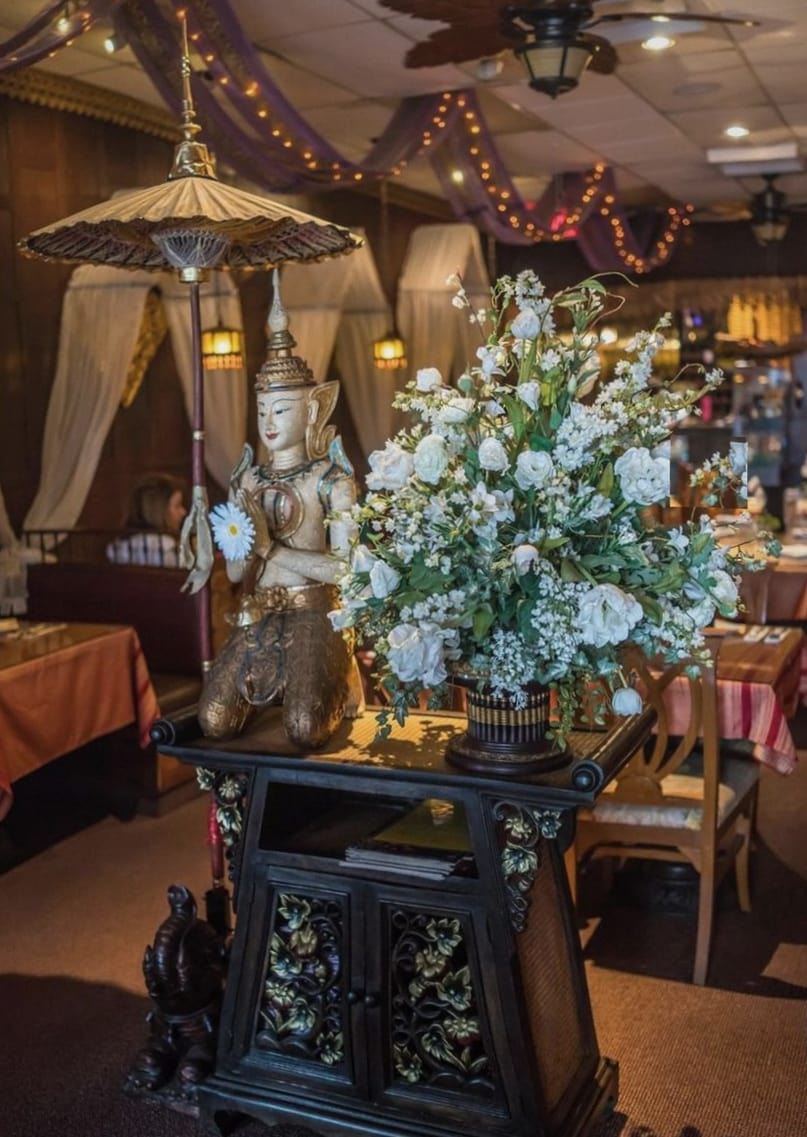
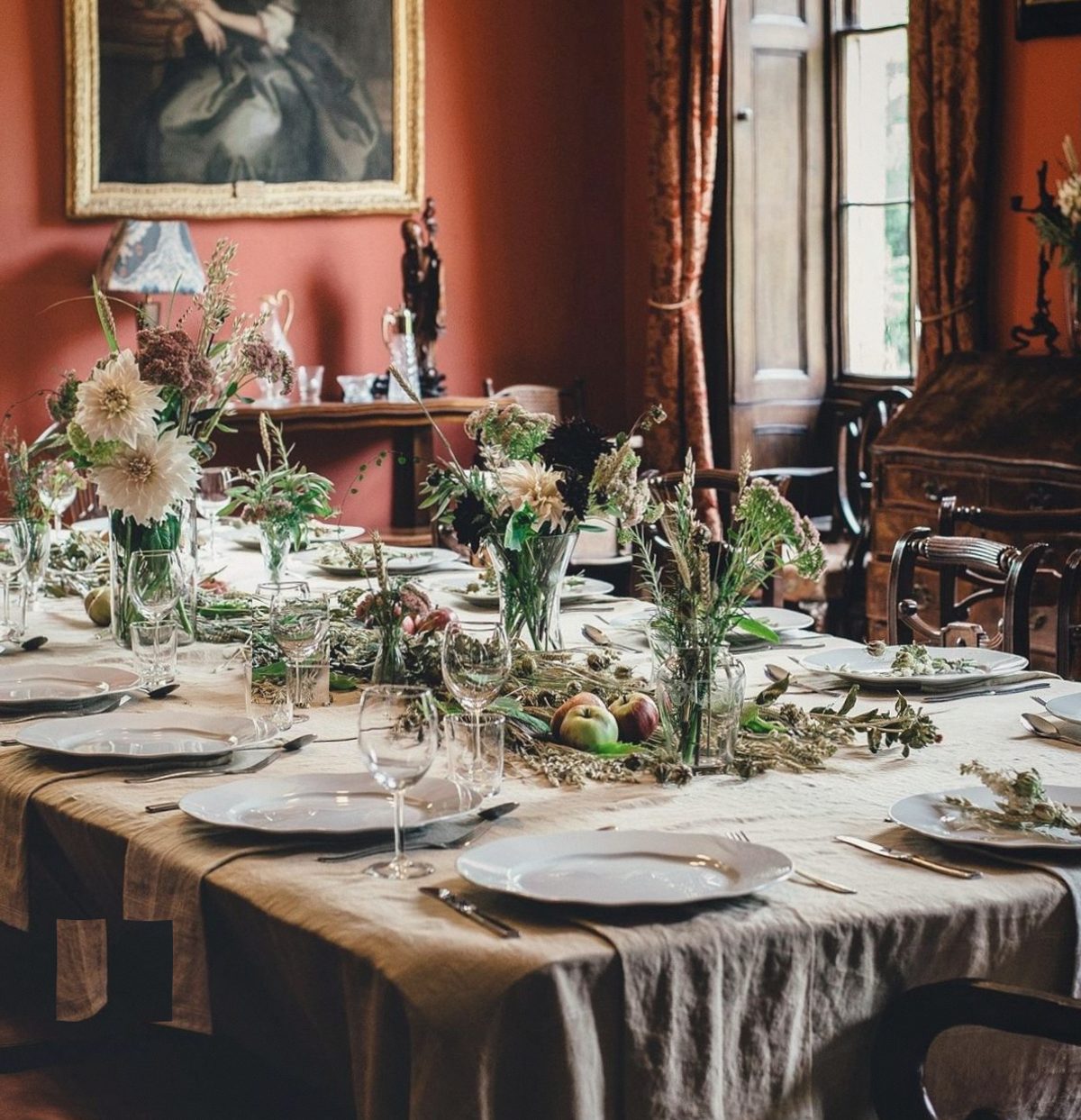
Seven courses over roughly three and a half hours, seated between six and fourteen guests. The menu is written the morning of your booking and texted through before you arrive.
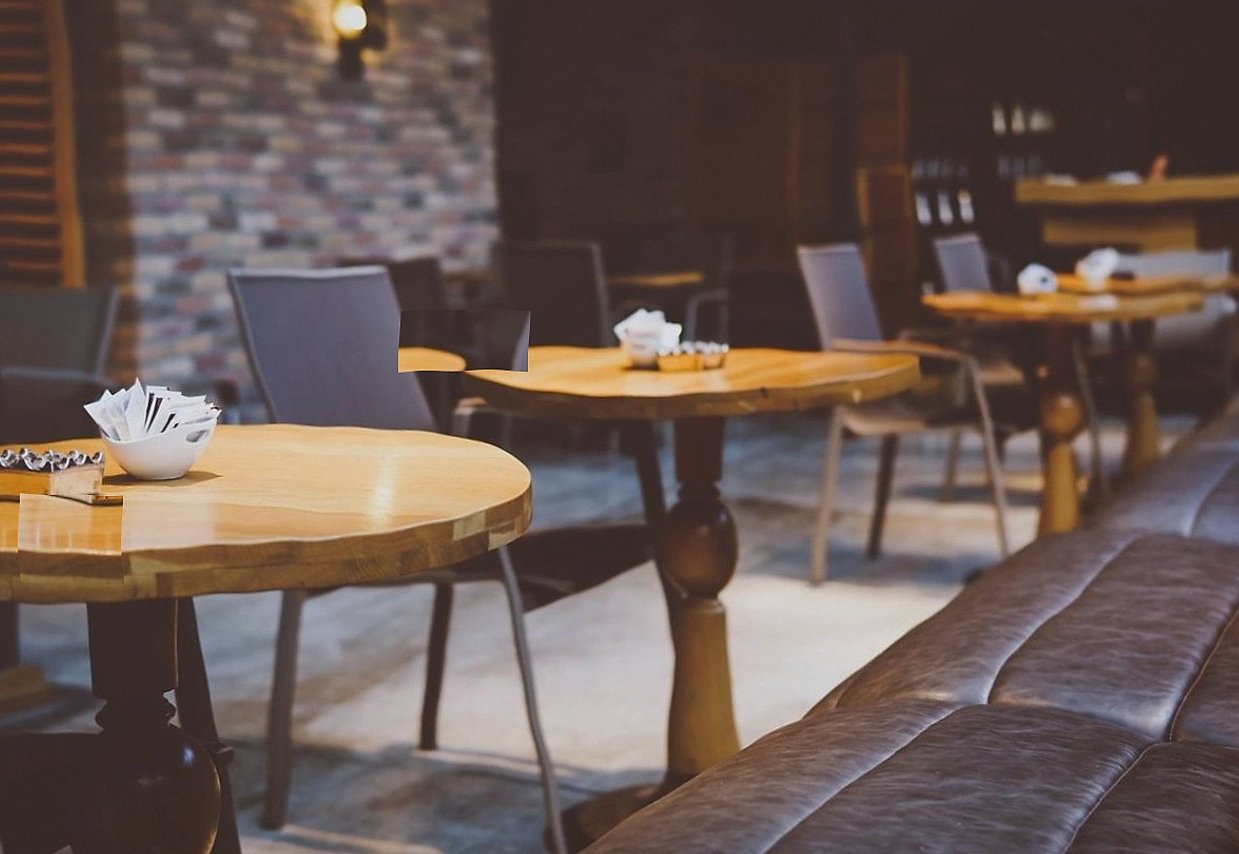
Davelona started as a Sunday experiment in a small Chadstone dining room and grew into a restaurant, a private chef's table and a pasta school. The room is still small on purpose, because eighteen seats is the number that lets one cook plate every dish that leaves the pass.
We opened in 2014 as a forty-seat bistro on the corner of Dandenong Road, serving a fixed menu that changed once a season. That lasted about eighteen months. A stretch of bad weather wiped out the produce we had planned around, the chef walked into the room and told everyone the menu would be different that night, and nobody complained. We have cooked to the market every day since.
What that means in practice is simple. The chef buys around whatever came in overnight, and the evening's dishes get written over coffee before the first prep job starts. The menu is texted to confirmed bookings the morning of service. It sounds chaotic and it is slower to train for, but the food tastes like it came from somewhere specific rather than from a supplier list.
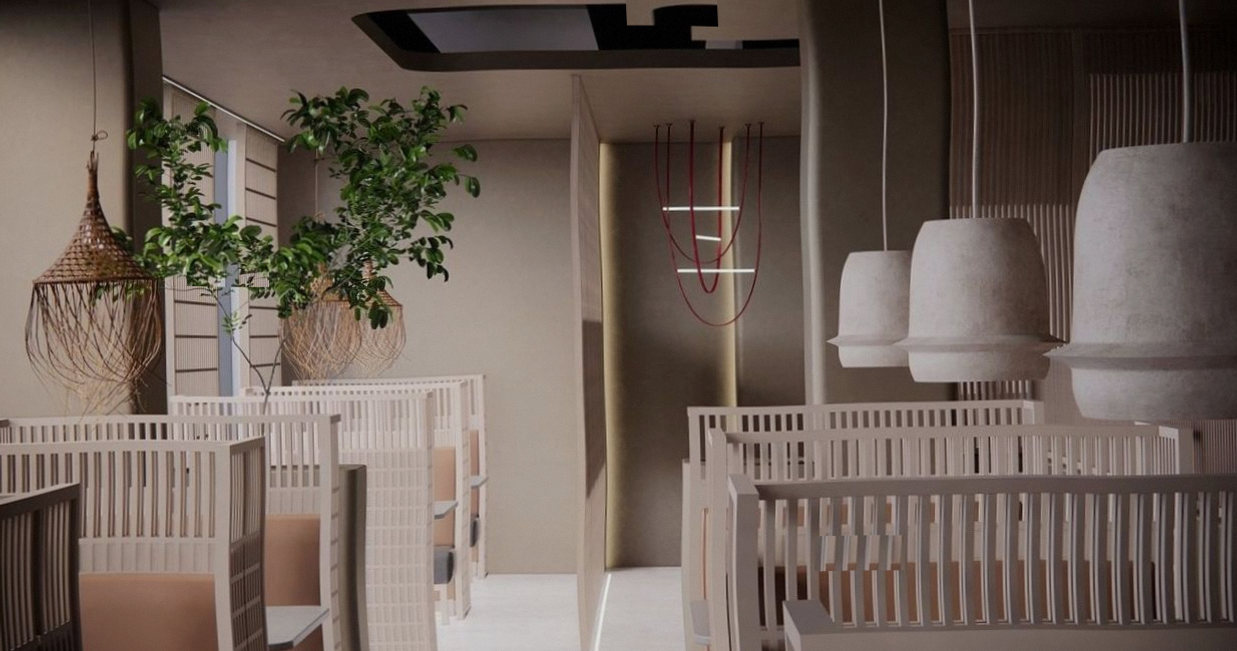
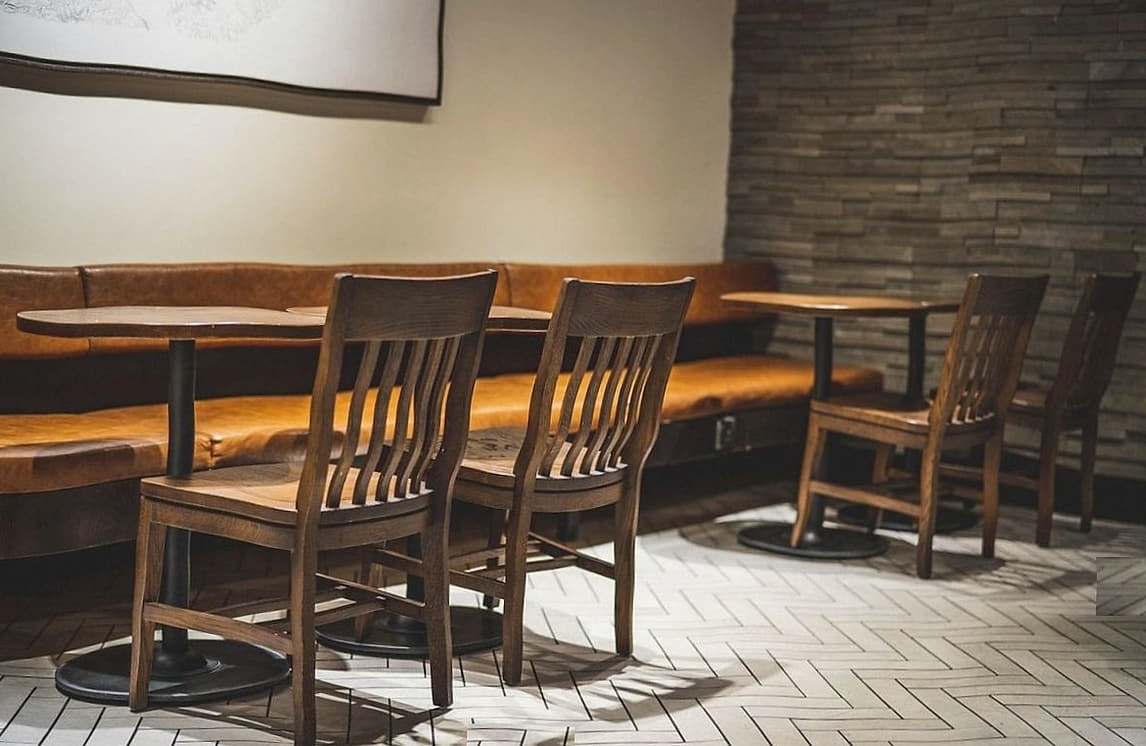
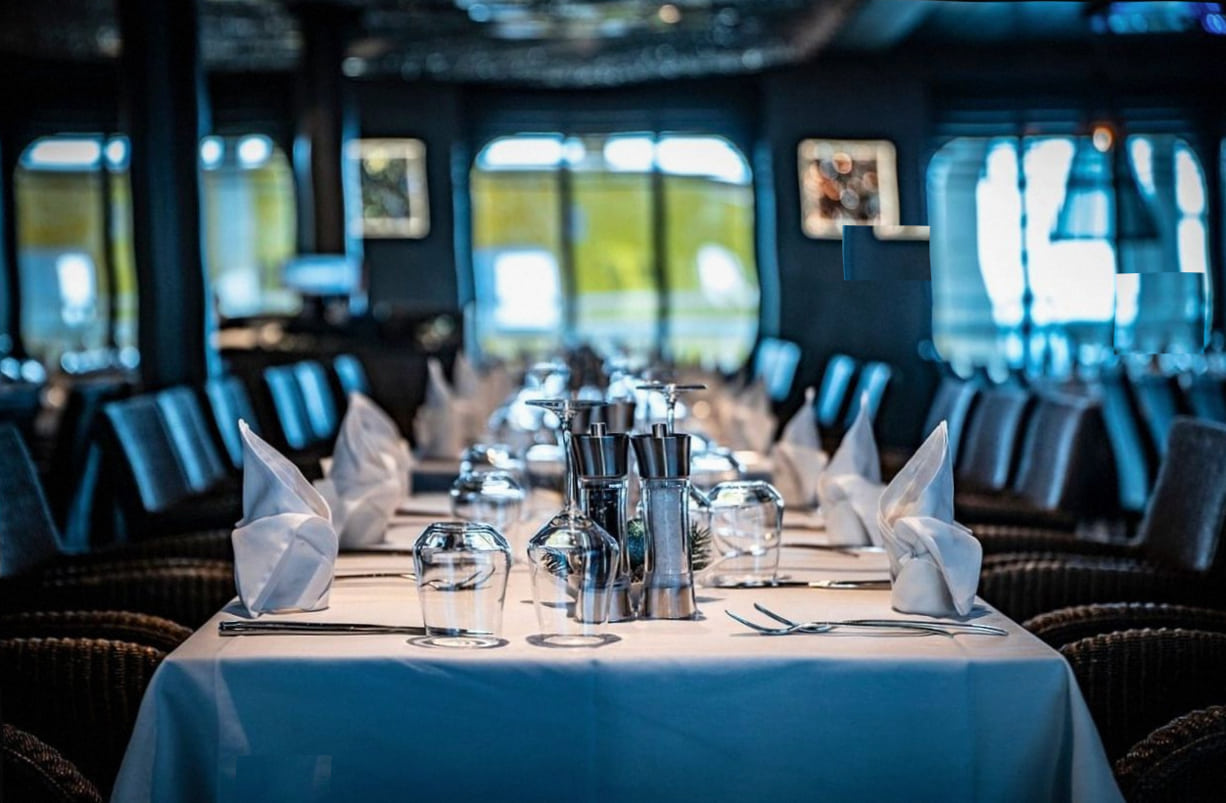
The main room, set for a booked party
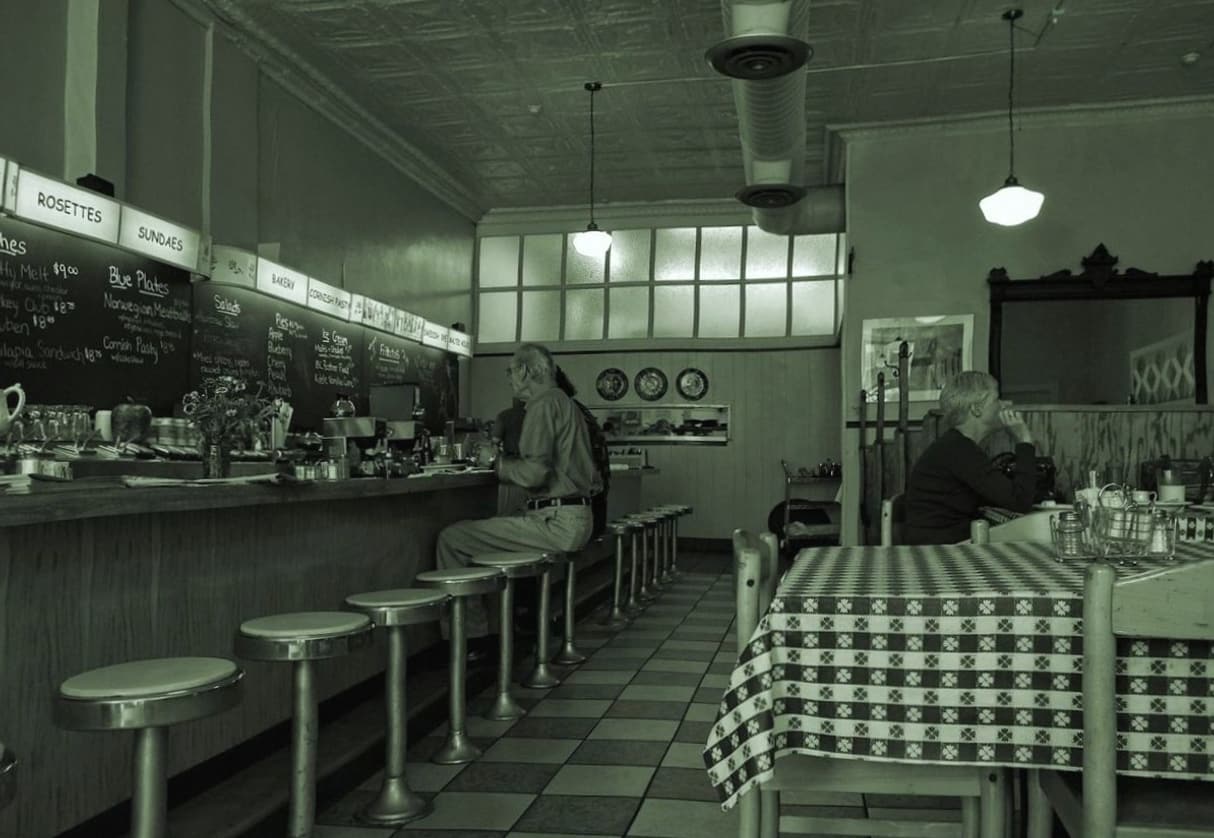
Plating happens in full view of the room
The morning delivery that writes the menu
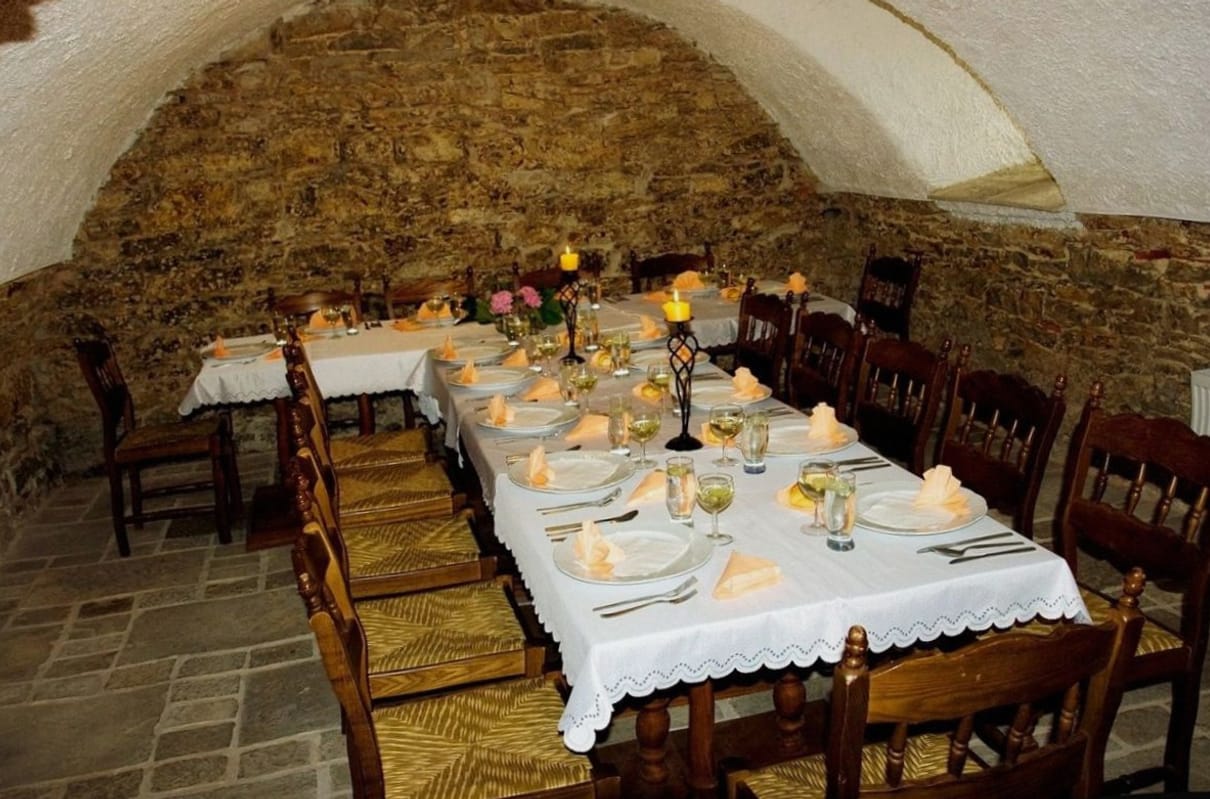
Roughly 400 bottles behind the kitchen wall
Every restaurant has a list of things it does differently. Ours is short, and we hold it tightly because every one of these decisions costs us something and gives us something else back.
We buy in small quantities twice a week rather than large quantities monthly. That costs around 14 percent more per kilo on average, and it means we throw away roughly a third less food than we did in our first year.
Guests can see every plate being finished from any seat in the room. There is no chef's-only door and no plating in a corner. If something goes wrong, you watch it happen and we tell you what we are doing about it.
We do not run a two-hour turn. If you want to sit for four hours over three courses and one very old bottle of Barolo, that is the evening. Courtyard stays open as long as the weather holds.
Eight people work here week to week. Six of them have been with us for more than four years, which is a long time in a kitchen.
Owner & Head Chef
Opened Davelona in 2014 after four years cooking in the Basque country and a decade running kitchens in Fitzroy. Writes the menu each morning and still plates every dish that leaves the pass.
Pasta Section Lead
Rolls close to forty kilos of dough a week and teaches every masterclass. Trained across Emiglia-Romagna before joining us in 2019 to start the pasta school.
Floor & Cellar
Runs the room and the wine list. Chooses almost every bottle personally, mostly by buying six at a time so nothing sits long enough to go quiet.
Sous Chef
Took over the evening service in 2022 after four years on the fish section. Handles anything coming off the grill and the whole breakfast prep for the classes.
A short version of how the restaurant grew from a corner bistro to what it is now. Every step was driven by something we wanted to do better rather than by a plan to get bigger.
A forty-seat bistro with a fixed seasonal menu. Six tables, one pass, and a wine list of seventeen bottles.
Started as Sunday dinners for friends of the kitchen. The waitlist passed three months by the second winter and it became permanent.
Eight benches squeezed into the back of the kitchen. First class sold out in four hours, and the second in a day.
We knocked out the wall between the dining room and the kitchen. Fixed menu went out the window for good and the room shrank from forty seats to eighteen.
None of these are awards, mostly because we stopped entering them around 2018. They are the numbers we actually watch.
Of first-time diners book again inside twelve months. Most come back twice.
Average tenure across the kitchen and floor. Two of the team have been here since opening.
Down from our first-year baseline after moving to twice-weekly small-batch buying.
Of everything we cook was picked or caught within two days of reaching your plate.
A slow dinner at the chef's table, or four hours with flour on your hands. Both run in the same room but feel nothing alike.
Seven courses over roughly three and a half hours, seated between six and fourteen guests. The menu is written the morning of your booking and texted through before you arrive.
Four hours at the bench with a maximum of eight students. Two dough bases, five shapes, sauces built alongside, and you eat what you made at the long table when the cooking is done.
Two pieces that explain the thinking behind the way we cook and teach.
Why the menu gets written after the morning delivery lands, and what it takes to run a kitchen that can pivot before service prep starts.
Students arrive expecting hard technique. What they actually learn in the masterclass is that dough rewards waiting more than knife work.
We work with a small number of Victorian suppliers and buy in small batches rather than locking in long contracts. Here are five of the ones you will taste on any given evening.
Vegetables grown on a forty-acre block in the Dandenong Ranges. Delivers twice a week and tells us what is peaking rather than what needs to be sold.
Day-boat catch landed the morning it reaches our kitchen. We take whatever is best on the ice and never commit to a specific species in advance.
Our main wine contact since 2016. Sends us small allocations before anyone else gets offered them, and keeps us honest on what is worth buying.
Butter, cultured cream and three cheeses from a herd of forty. Their cultured cream is what goes under the burnt honey tart.
Sourdough and rye baked two streets away. Delivered at 6am before the class prep starts and finished by the time the room opens.
Whole animals broken down in-house. Nothing is pre-packed, and we use the trimmings for the eight-hour ragu that sits under the tagliatelle.
We hire perhaps once a year, usually for a section cook or a class assistant. There is no application portal and no automated screening. Send a short note telling us what you actually cook and where you want to get better, and if we have something coming up you will hear back within a fortnight.
What we offer is a kitchen where the menu changes daily, which means you learn to work without a plan you can lean on. That is hard for the first six months and indispensable after that.
Send Us a NoteTwo years alongside the head chef before you run a section alone, learning to cook around whatever arrived that morning.
Kitchen staff work four days on and three off, rotating between the evening pass and the morning classes.
Every full-time team member gets $1,800 a year toward travel, courses or a stage in a kitchen they want to learn from.
A full meal every shift, six weeks paid leave, and a strict rule that nobody works more than nine hours in a day.
Book a table, take the private chef's table for a group of six or more, or spend four hours learning fresh pasta in the working kitchen.